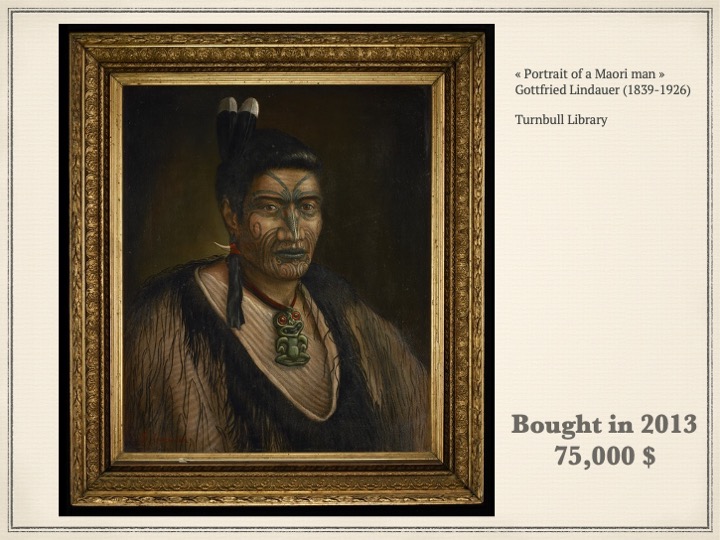
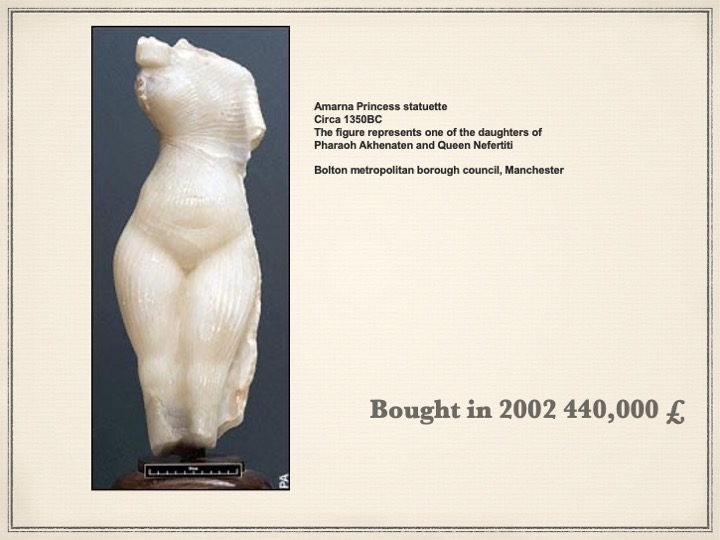
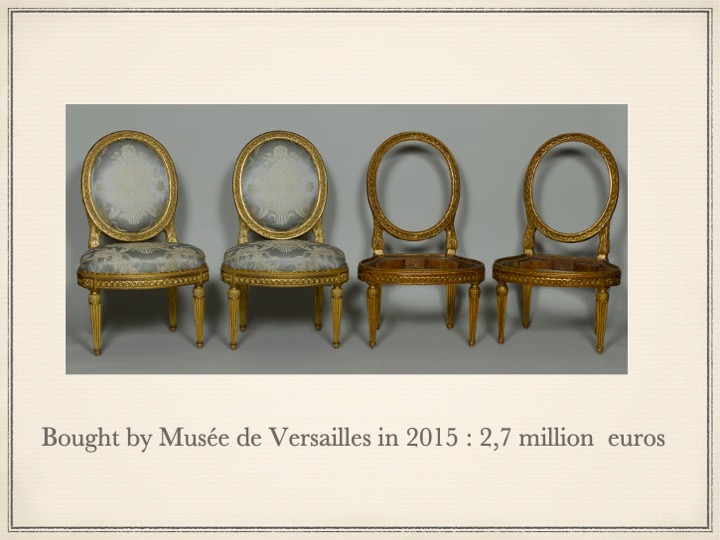
But the above-mentioned artefacts are all fakes….
The Spanish Master
https://www.youtube.com/watch?v=jvqEiaugO9I
Understanding the concept of fake heritage
1. How would you define “fake heritage”? What distinguishes it from an authentic heritage site, a reconstruction, a replica or a historical forgery?
2. What does the expression fake heritage imply about the relationship between historical truth and the material remains of the past?
3. Can a building or object be historically inauthentic yet still possess cultural, aesthetic or social value? Explain your answer.
4. To what extent does the intention behind a reconstruction matter? Should we distinguish between deliberate deception, artistic imitation and reconstruction for educational purposes?
Authenticity, history and representation
5. What makes a heritage site authentic? Is authenticity determined by the original materials, the building techniques, its historical location, its function or the meanings attached to it?
6. If a monument is destroyed and subsequently rebuilt, does the reconstruction preserve the heritage or create a new heritage object?
7. Can a reconstruction convey historical truth while simultaneously concealing part of the past? Consider what might be lost when a monument is restored to an imagined original state.
8. Who has the authority to decide whether a reconstructed monument is authentic: historians, archaeologists, architects, governments, local communities or visitors?
9. How might fake heritage contribute to the construction of national identity, political legitimacy or collective memory?
Ethics, economics and the public
10. Why might governments, private investors or local communities choose to create replicas of historical buildings or monuments? Consider tourism, economic development, prestige, education and cultural identity.
11. Is it ethically acceptable to create a convincing replica if visitors know that it is not the original? Would your answer change if the distinction were deliberately concealed?
12. Can fake heritage be justified as a means of protecting an original monument from damage caused by tourism or environmental conditions?
13. What responsibilities do museums, heritage organisations and tourist authorities have when presenting reconstructed or imitation heritage to the public?
14. How does the commercialisation of heritage affect our understanding of historical authenticity? Can the desire to attract visitors turn the past into a consumable spectacle?
15. To what extent is fake heritage comparable to fake news? In both cases, does the problem lie in the falsification itself, the intention to deceive or the audience’s interpretation?
Questions specifically about the video
16. What is the central argument of the video? Does it present fake heritage primarily as a problem, a legitimate cultural practice or a phenomenon whose value depends on the circumstances?
17. Which particular building, monument, object or reconstruction is discussed or shown? What makes it an example of fake heritage?
18. How does the video establish the distinction between the original and its imitation? Which visual, historical or documentary evidence is provided?
19. What motivations for creating or reconstructing heritage emerge from the video? Are these motivations primarily political, economic, aesthetic, educational or protective?
20. Does the video encourage viewers to question what they see, or does it present its interpretation as definitive? Analyse the role of narration, images, editing and any expert testimony.
21. After watching the video, would you change your definition of authenticity? Explain which example or argument most influenced your thinking.
22. Does the video adequately address the ethical implications of fake heritage? What important questions, perspectives or stakeholders might be missing?
23. How does the video shape the viewer’s emotional response to the reconstructed or imitated heritage? Does this response strengthen or undermine its historical credibility?